

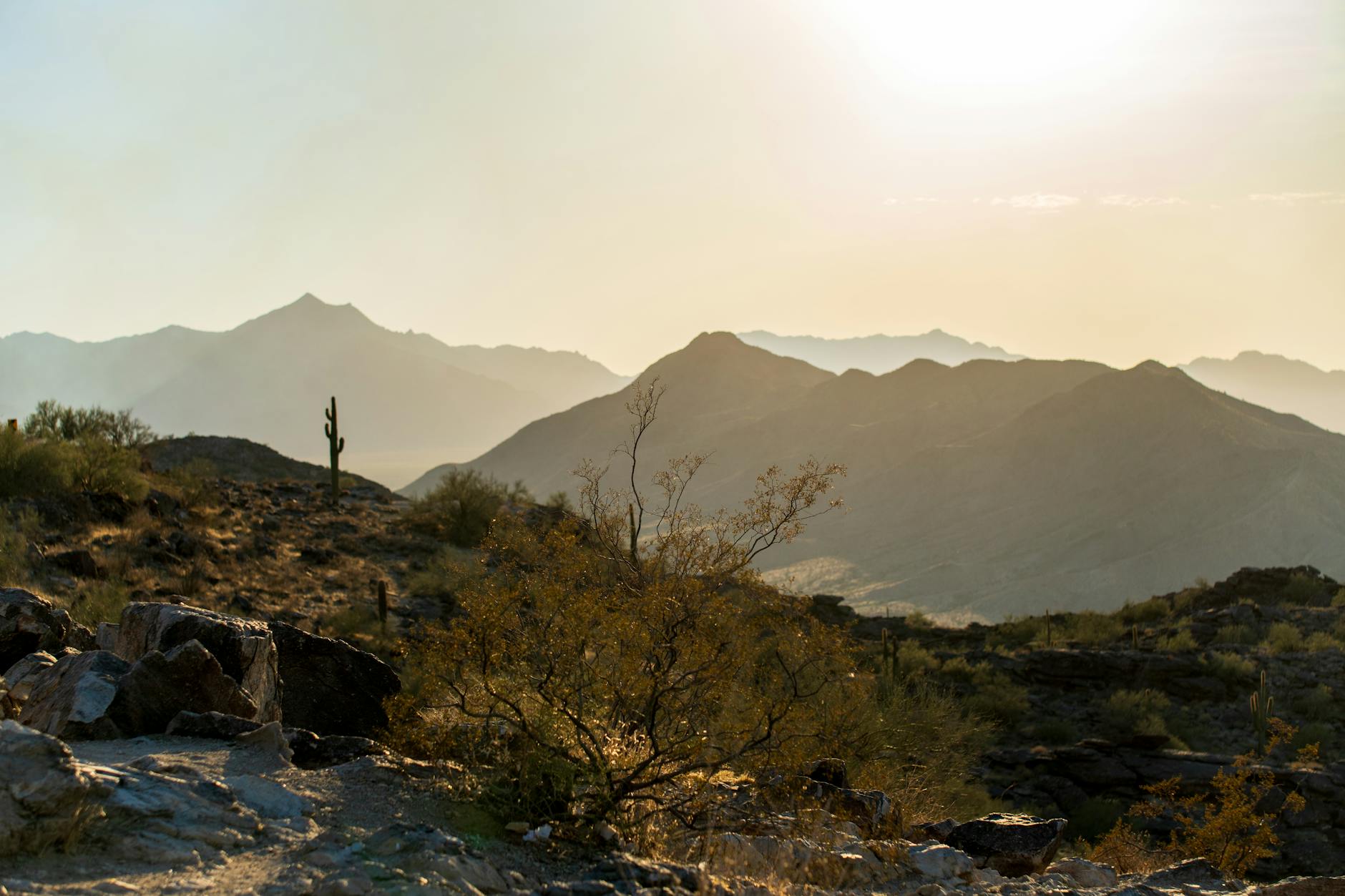
Arizona just experienced their hottest winter on record (December 1 to February 28), ending up significantly warmer than normal December-February temperatures for the state.

What Are the Weather Stats for Arizona?
Ranks help depict weather trends, and weather rankings are based on the period of record for each weather station. Many U.S. weather stations go back at least 131 years to 1895. Based on these records, Arizona experienced their hottest December on record, tied for their 7th hottest January on record, and then landed with their hottest February on record. All together, these statistics produced the hottest winter on record for Arizona (preliminary data from NOAA).

What Caused A Hot Winter?
High pressure not only keeps storms away, but it usually leads to sunny skies and hotter temperatures. It wasn’t just Arizona dealing with high pressure this winter. Phoenix, Las Vegas, Palm Springs, and Salt Lake City are just some cities that measured their hottest winter on record, and neighboring states like New Mexico, Nevada, Utah, Colorado and more also experienced their hottest winter on record (preliminary data from NOAA).

What Happens When Winter Temperatures Are Hotter?
While warmer winters might be appreciated by some, others exercising or working outside can get overheated. Phoenix neighborhoods know that mosquitoes and flies never disappeared this winter and AC was likely flipped on in early February. Pollen popped earlier than usual, triggering bee activity. Hotter temperatures also make a thirstier atmosphere, drying out soils, grasses, trees, and weeds and providing an early start for wildland fire fuel.

How Were Arizona’s Winter Storms?
On January 1, Arizona captured the country’s first tornado of the year, and then a series of wet storms that month dropped above-average precipitation in southeastern Arizona (Cochise County had their 4th wettest January on record). However, much of the state was significantly drier than average this winter. More than anything, a hotter and drier winter impacts western snowpack, decreasing the overall amount of water that can drain into the Colorado River.
What’s Going to Happen This Summer?
Time will tell! Summer and winter seasons operate differently in Arizona, so we’ll keep our eyes on it!
About the Author

Erinanne Saffell is a leader in weather, water, and climate in Arizona and the Southwest, advancing risk management, resilience, and mitigation especially for flood, heat, wildland fire, and drought hazards.