

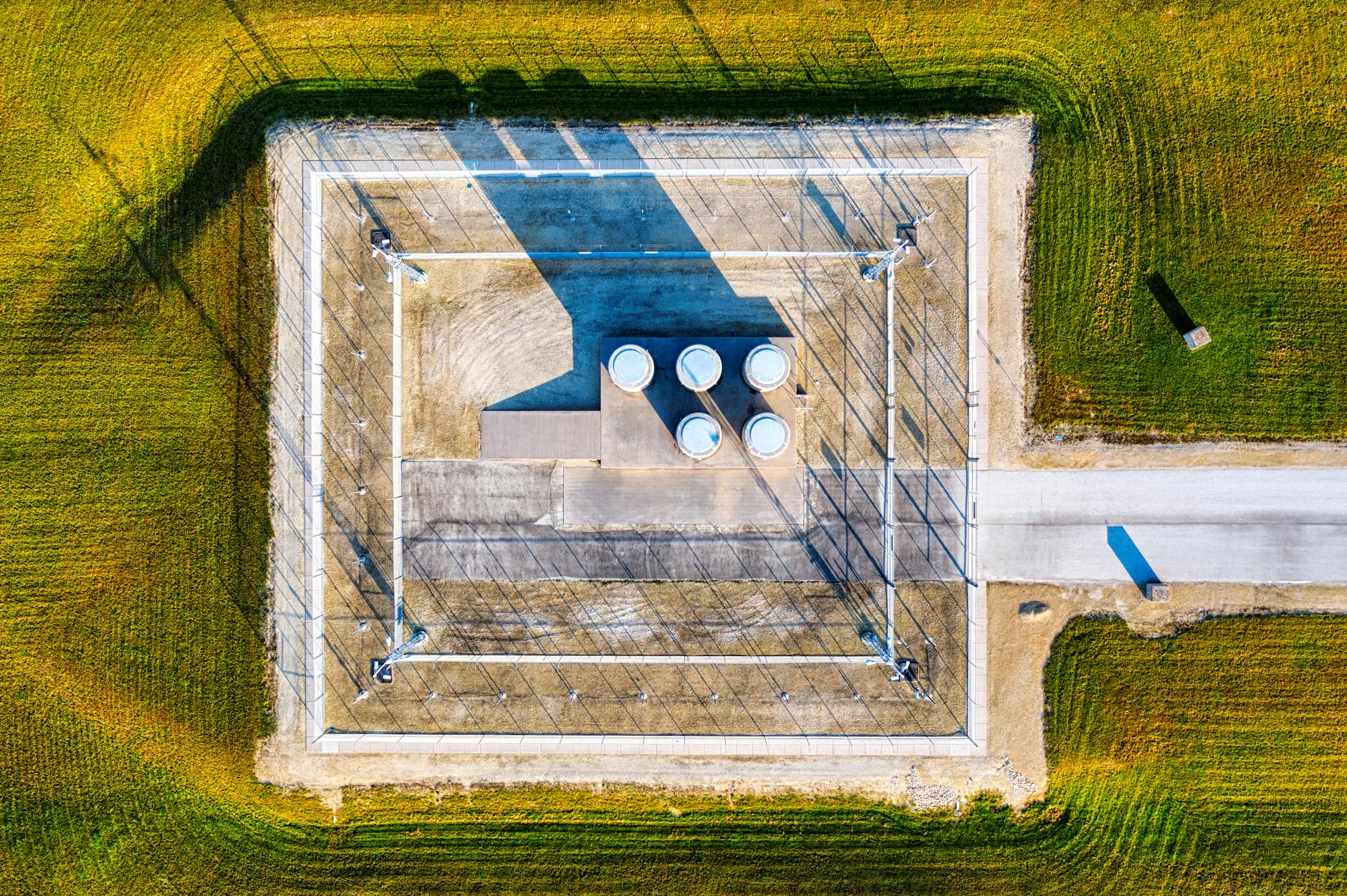
Small Modular Reactors (SMRs) are an emerging class of nuclear power plants that are smaller, modular, and often incorporate enhanced safety features compared to traditional reactors. While not yet widely deployed in the U.S., they are moving closer to reality and will introduce some important shifts in emergency planning and response.
SMR technologies are not one-size-fits-all—designs vary widely in reactor type, size, cooling methods, fuel, and operational approach. Because of this variability, hazards, timelines, and potential consequences can differ significantly from one facility to another. As a result, emergency planning will likely need to be highly site-specific, grounded in the unique design characteristics and risk profile of each individual SMR installation rather than relying on a single standardized approach.

Key Differences That Matter for Emergency Management
- Smaller Source Term (Potentially)
SMRs generally contain less radioactive material than large reactors, which may reduce the scale of a worst-case release. - Passive Safety Systems
Many designs rely on automatic, non-powered safety features, reducing the likelihood of rapid escalation events that require immediate offsite action. - Siting Flexibility
SMRs may be located in non-traditional areas (industrial sites, remote locations, or closer to population centers), changing planning assumptions. - Modular Build-Out
Sites may host multiple reactor modules, meaning incidents could involve one or several units simultaneously.

Impacts to Emergency Planning & Response
1. Emergency Planning Zones (EPZs) May Change
The U.S. Nuclear Regulatory Commission is evaluating smaller, risk-informed EPZs for SMRs compared to the traditional 10-mile plume exposure pathway zone.
What this means:
- Potential for reduced geographic footprint of planning areas
- Greater emphasis on facility-level and local response vs. large regional coordination
2. Planning Becomes More Site-Specific
Unlike traditional reactors with standardized assumptions, SMRs will likely require:
- Customized hazard assessments
- Scenario-based planning tied to specific reactor designs
3. Notification and Decision Timelines Could Shift
Passive safety systems may:
- Slow the progression of some incidents
- Provide more decision time for protective actions
However:
Not all scenarios are slow-moving (e.g., security events, multi-unit issues)
4. Coordination with Private Sector Will Increase
Many SMRs are expected to support:
- Industrial facilities
- Data centers
- Remote operations
Emergency managers will need stronger integration with private operators, not just traditional utilities.
5. Training and Public Messaging Will Need Updates
- Public expectations around nuclear risk may not match SMR realities
- Messaging must balance “safer design” with continued need for preparedness
- Exercises will need to reflect new reactor designs and scenarios

Regulatory Framework & Resources
In the United States, SMRs fall under the oversight of the U.S. Nuclear Regulatory Commission (NRC). Key regulatory frameworks include:
Primary NRC Regulations
10 CFR Part 50 – Domestic Licensing of Production and Utilization Facilities
10 CFR Part 52 – Licenses, Certifications, and Approvals for Nuclear Power Plants
10 CFR Part 100 – Reactor Site Criteria
10 CFR Part 20 – Standards for Protection Against Radiation
- These regulations govern:
- Reactor design certification
- Construction and operating licenses
- Safety analysis and environmental review
- Radiation protection standards
Additional Resources
- NRC Power Reactor Overview: https://www.nrc.gov/reactors/power.html
- U.S. Department of Energy – SMR Program
- World Nuclear Association – SMR Information Library